
This Tiny Maine Preserve Has a Waterfall That Runs Backward
Would you like to save this full guide?
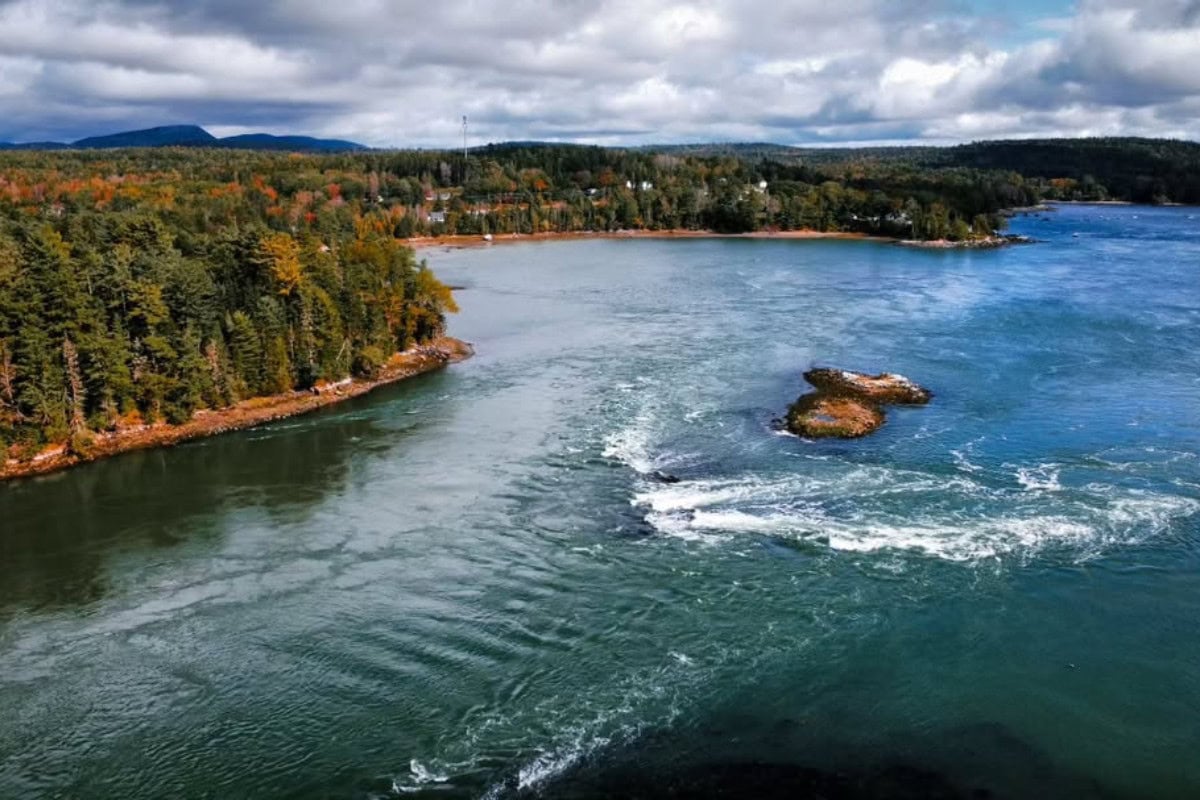
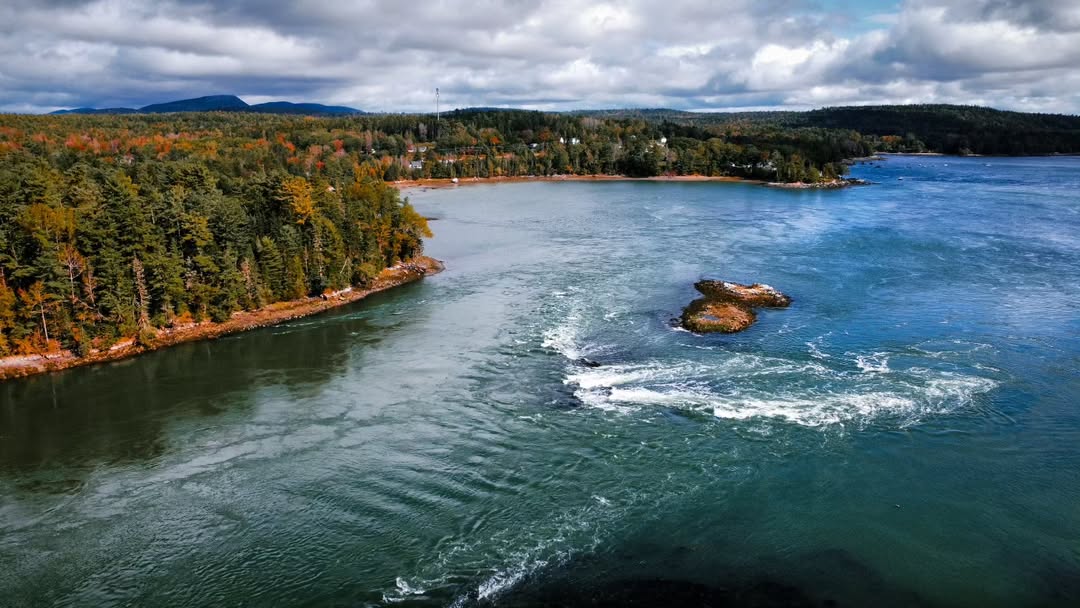
Tucked off Route 1 between Mount Desert Island and the Schoodic Peninsula, the Tidal Falls Preserve of Hancock warrants a detour. As the name might suggest, tide timing is everything to experience the spectacular reversing falls.
Tidal Falls Preserve offers an easy stop with hours of entertainment above, on top of, and below the water line. While waiting for the tide to shift, explore the natural aquarium that uncovers starfish and other marine life, or look to the sea and sky for animals like seals and osprey.
As a bonus, Tidal Falls Preserve in Hancock is small enough that everyone can enjoy it without long hikes.
Where Is Tidal Falls Preserve?
You’ll find Tidal Falls Preserve in Hancock, Maine, a Downeast city close to the popular Acadia National Park. The drive to the preserve is less than 30 miles (40 minutes) from Bar Harbor and near the start of the Schoodic National Scenic Byway.
Take Route 1 through Hancock, but before you cross the bridge, hang a right at East Side Road. The access road to Tidal Falls Preserve is the second on the left.
It’s worth noting that the falls are also referred to as Sullivan Falls throughout history. Tidal Falls is the more common name today.
History of Tidal Falls in Hancock
Tidal Falls and the surrounding region were the ancestral homes of the Passamaquoddy and Penobscot tribes, both part of the Wabanaki. We also know that at least 20 gravesites of the Red Paint People were found at Tidal Falls.
Geology shows us that the Tidal Falls point was once a dam, separating a lake and the ocean. Glacier activity of the last Ice Age scraped it away, connecting the two bodies of water.
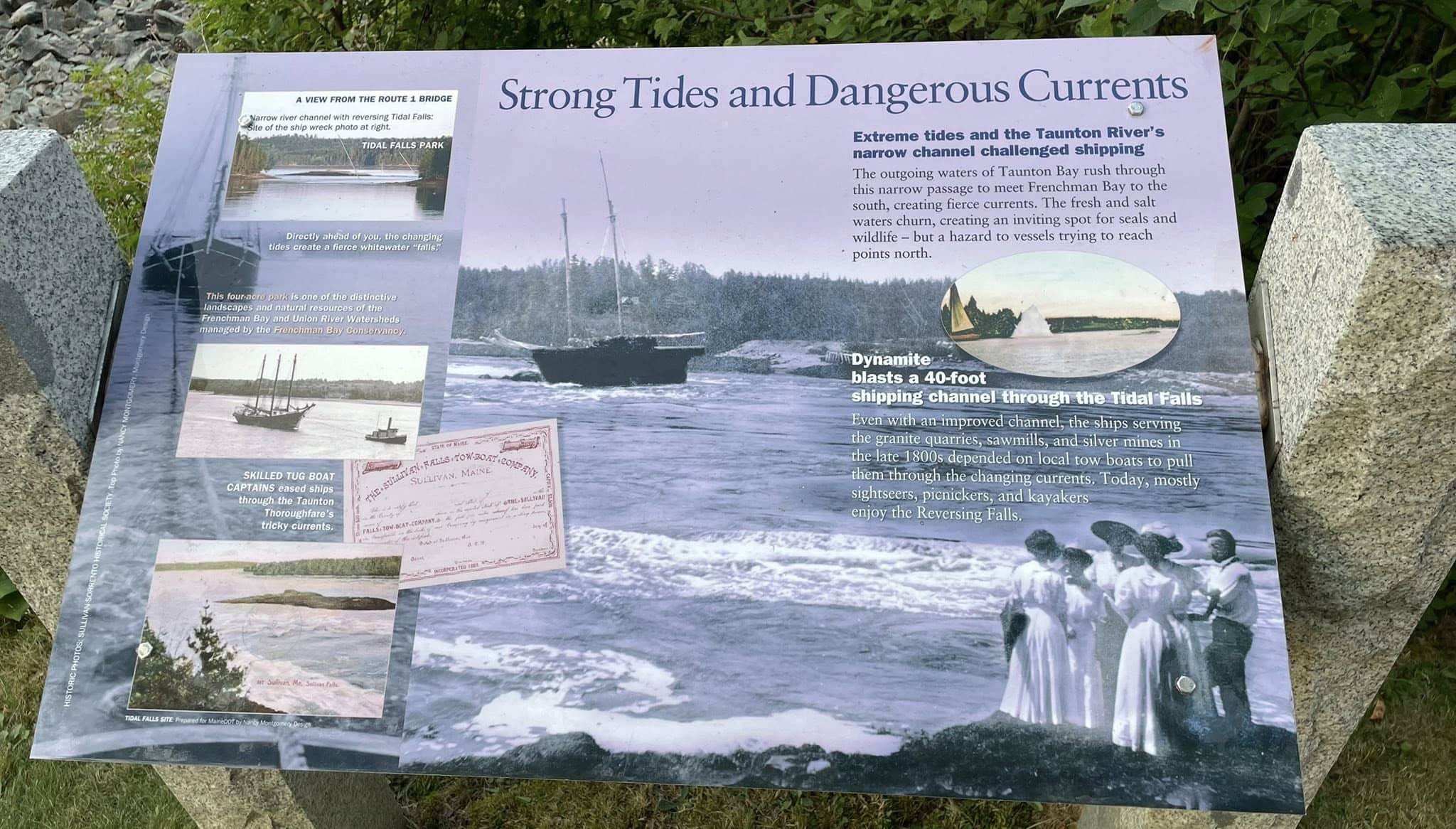
As the region became known for rock quarries in the 1700s and 1800s, only two-masted ships less than six-feet wide could pass through the falls at high tide. Otherwise, they would be ripped apart by the rocky bedrock under the falls. Keep in mind, the distance at high tide from shore to shore is less than 580 feet before blasting was done in the 1870s.
As Bar Harbor started attracting wealthy summer residents like the Rockfellers and Vanderbilts, the area around Tidal Falls became a ferry stop and then a railroad connection in the late 1800s.
As more roads were built, the railroad and ferry stopped, and Tidal Falls’ economy turned to lobstering, with a lobster pound and restaurant, followed throughout the late part of the last century.
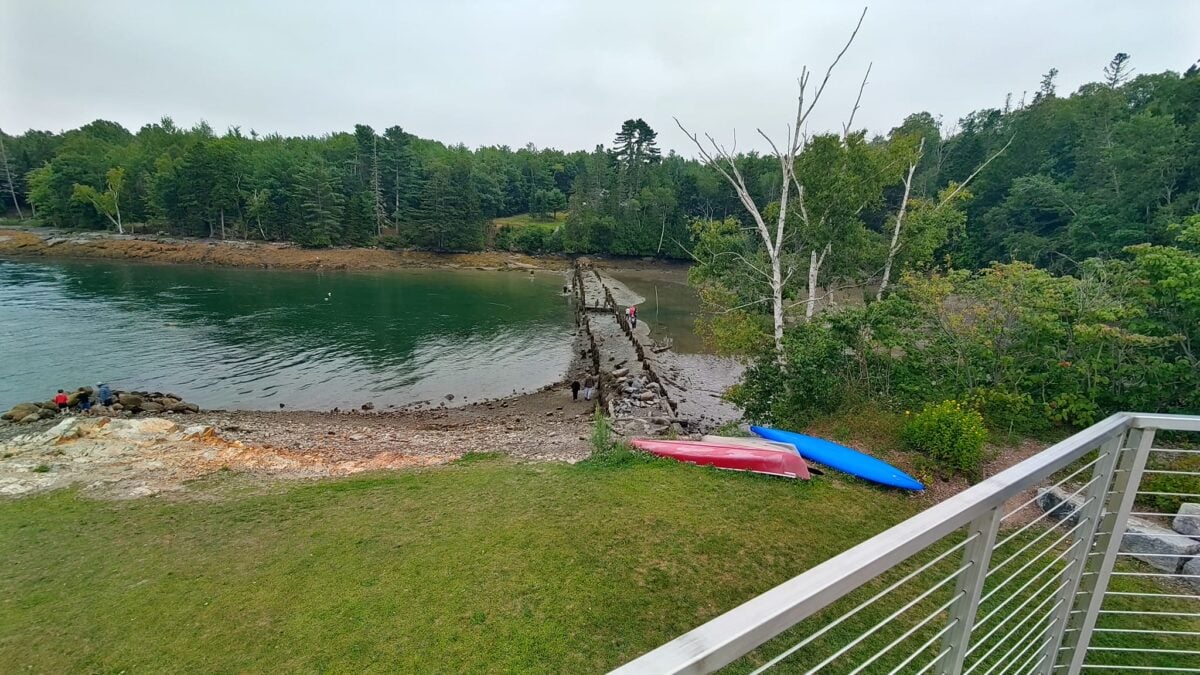
In 2000, the Frenchman Bay Conservancy bought the Tidal Falls property. A renovation in 2018 added a clearer view of the shoreline, pavilion, viewing platform, and Exploration Center for visitors.
For an in-depth look at the history of Tidal Falls, watch this history tour from Tobey Crawford.
A Love Story at Tidal Falls
As Crawford detailed from her reserach or the University of Maine graduate program, there’s an interesting love story that sailed right through the falls in 1875. Charles Campbell of Calais was in love with a woman from Gouldsboro. He needed money to get married.
Campbell, getting creative, decided to bet that he could ride the falls on a 38-foot log. The $1,000 wager (worth about $30,000 today) required him to ride the falls, survive the ride, and be upright at the end.
The crowd gathered on July 5, 1875, to watch this attempt. While Campbell held on for a decent ride, eventually the log and the man on top of it went under. His would-be bride passed out from shock. Moments later, Campbell surfaced and was fished out of the water by men on the shore.
The love of his life promptly slapped him, calling him a “silly fool,” vowing to never see him again. However, the love story has a happy ending. While he didn’t win the $1,000, he did save up enough money and woo her back in the years that followed. They were married in 1878.
What Causes the Reversing Falls of Tidal Falls Preserve?
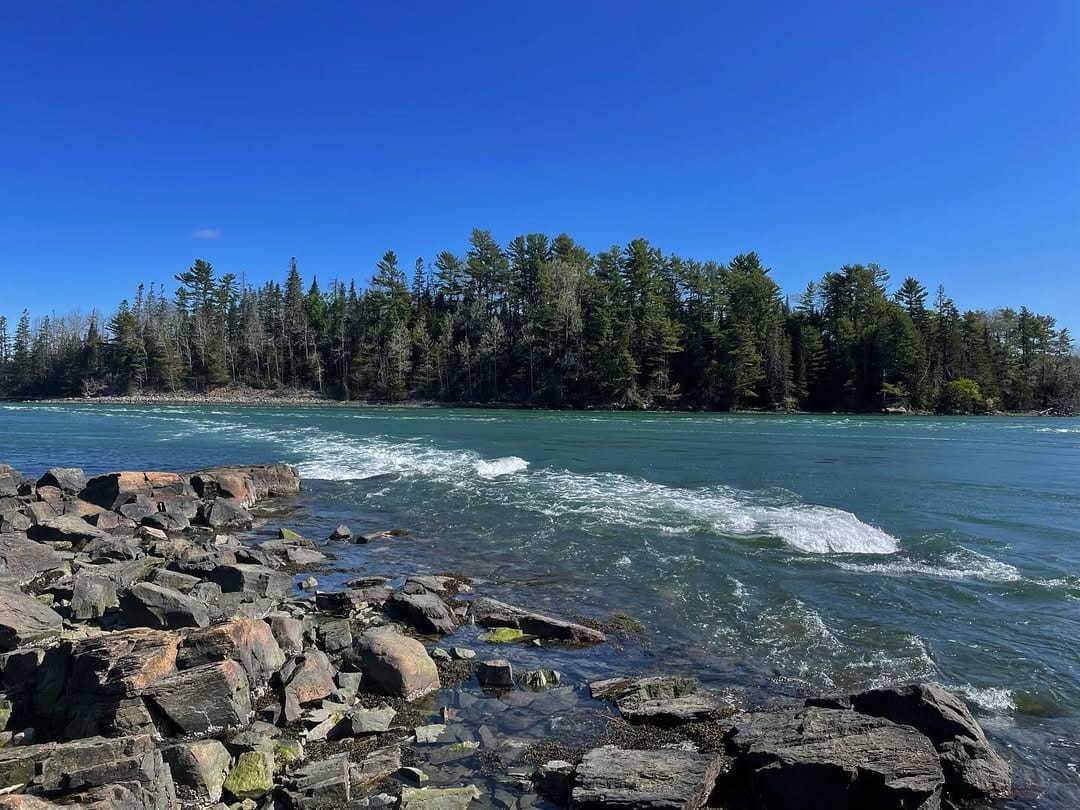
The reversing falls at Tidal Falls Preserve happen because of the powerful tides in nearby Taunton Bay. As the ocean tide rises, seawater rushes inland and pushes against the outflowing freshwater of the Falls River. When the tide is strong enough, it overpowers the river and forces the water to flow backward through the narrow channel.
As the tide turns and begins to fall, gravity takes over again. The river resumes its normal direction, draining back toward the bay. This back-and-forth cycle happens twice daily and depends on timing, tide height, and the shape of the river channel.
The Layout of Tidal Falls Preserve
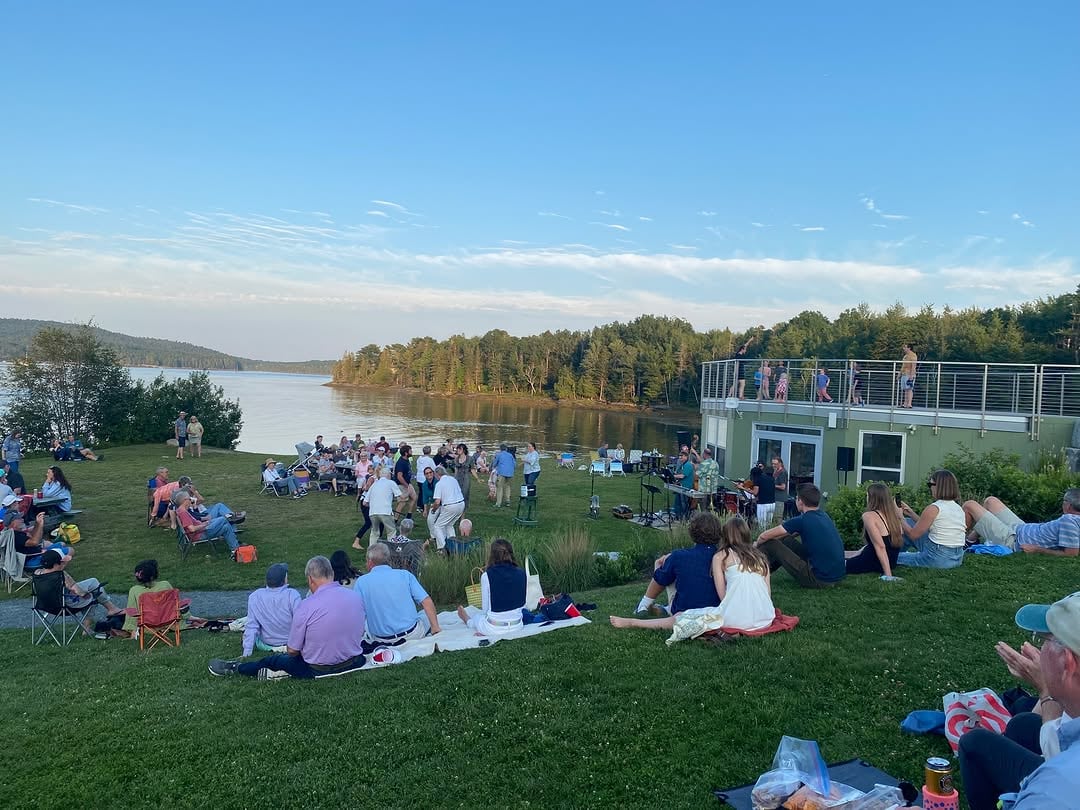
While Tidal Falls Preserve sits on just eight acres of land and water, it’s still the flagship property of the Frenchman Bay Conservancy. When you look at all that is packed into this landscape, it’s not hard to see why.
The parking area holds about 10-20 vehicles, and it’s right by the water. Thanks to the new viewing platform, you get unobstructed views of reversing falls. Those who want a more leisurely visit can enjoy the picnic area.
Be sure to check out the Exploration Center with special exhibits of this unique tidal environment where freshwater and saltwater meet. It’s the only building on the property, so you can’t miss it!
The “front row” of Tidal Falls Preserves is the rocky shoreline, which gives you views of the water, the wildlife, and the nearby islands and landscapes.
Things to Do at Tidal Falls Preserve
Again, Tidal Falls Preserve is small but mighty. You can spend a few hours here doing several activities after visiting the Exploration Center. The experience changes depending on the tide.
At high tide, the headline act is the reversing falls, when seawater pushes upstream and flips the flow of the river. It’s quick, loud, and oddly mesmerizing.
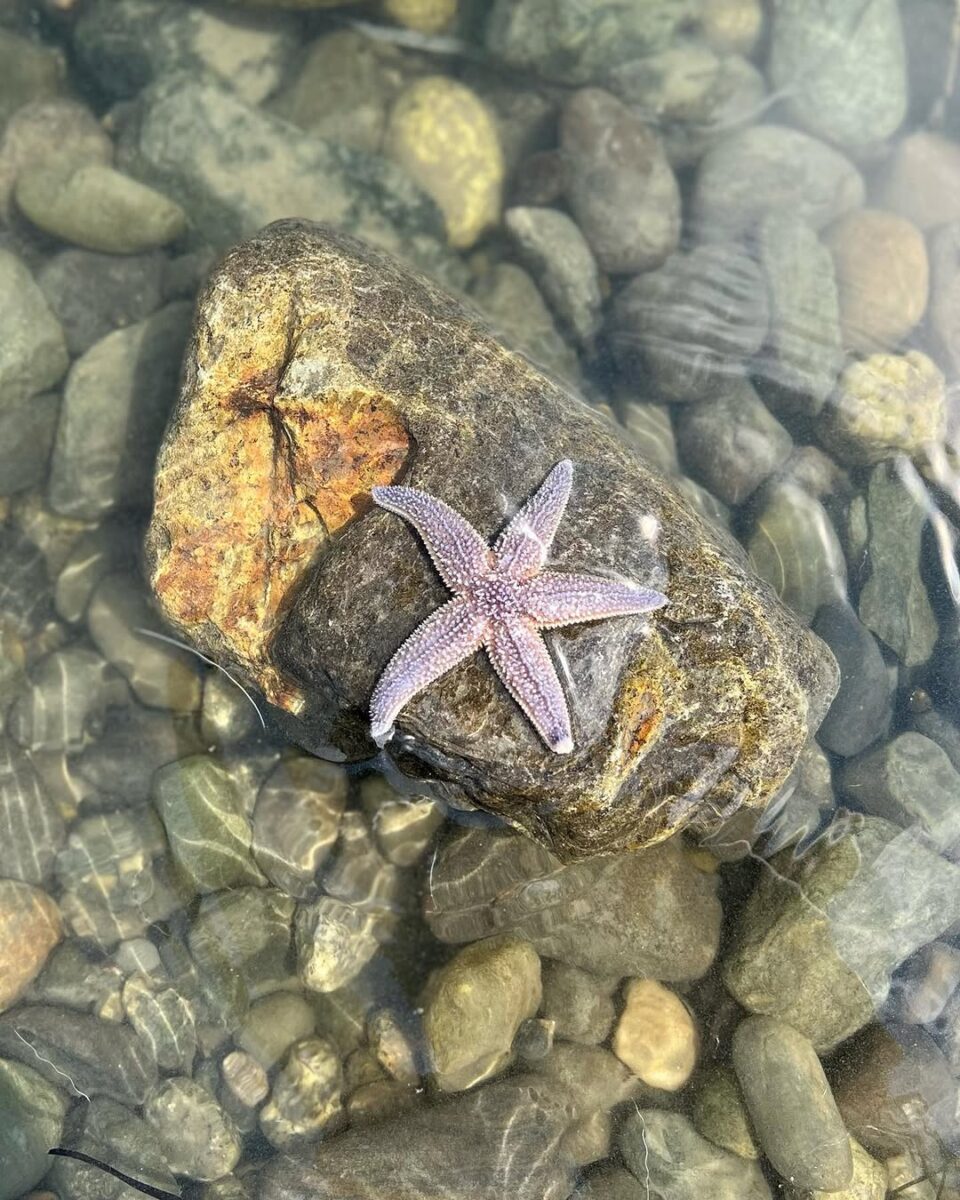
Low tide is when things get hands-on. Tidepools form along the rocky edges and are packed with small marine life like snails, crabs, and starfish that look straight out of a science textbook. This is the best time to slow down and actually look at what’s living here.
Keep your eyes on the sky, too. Birding is strong in every season, with eagles, ospreys, and shorebirds regularly passing through. Whether the tide is low or high, you’ll see various birds dive-bombing for food. Seals are often spotted splashing about as well.
The observation platform adds a great overhead view for photos, and the picnic area makes this an easy lunch stop.
The Best Time of Day to Visit Tidal Falls Preserve
The reversing falls don’t last all day. They show off right around the tide change, which is why the sweet spot is about two hours before or after low tide. Expect a tidal change of about 10-12 feet.
In the two hours leading up to low tide, the river slows down as the outgoing freshwater meets the incoming ocean tide. You’ll see hesitation, swirling, and that brief, dramatic moment when the flow stalls and flips direction. That’s the most interesting part.
In the two hours after low tide, the river has already reversed. Water flows inland more steadily, without the same chaos, but it’s still clearly moving the “wrong” way.
If you stay for about six hours, you’ll see the full story unfold: normal downstream flow, the slowdown, the reversal, and then the incoming tide easing off before the river eventually switches back later in the cycle.
Why the Kids Will Love Tidal Falls Preserve in Hancock
In addition to the easy access, free stop, and fascinating natural wonder, kids will love a stop at Tidal Falls Preserve for several reasons.
It’s also a great idea to add this stop as part of your adventure on the Schoodic National Scenic Byway Kids Quest Guide. It’s designed just for kids and has some special assignments for kids at Tidal Falls Preserve.
Even if you don’t see a lot of marine life during low-tide, the Exploration Center has a touch tank and other exhibits that will entertain kids of all ages.
Safety at Tidal Falls Preserve
We want to share some safety tips for you and the wildlife at Tidal Falls Preserve. Please note the following rules and guidance:
- Expect your feet to get wet: Exploring tidepools will require you to get in the water, possibly up to ankle or calf deep.
- Wear water shoes: The rocky beach is slippery, with seaweed covering rocks and uneven surfaces. You need all the traction you can get!
- Don’t touch the starfish: The Conservancy asks that you don’t touch or move the starfish or other animals in the water.
- Don’t feed animals: Whether you’re thinking of luring a bird or snagging the attention of a seal, leave no trace and just watch the animals in their natural habitat.’
- No dogs allowed: Due to the delicate ecosystem here, this is the one preserve of the Conservancy where dogs aren’t allowed, even on a leash. Please respect this rule.
We ask that visitors to the preserve are respectful of the wildlife, especially the starfish/sea stars! Human handling causes stress and interrupts their ability to breathe and feed. Please view from the shore (you can still get up close!) without handling, placing on your body for photos, or collecting in buckets/nets. Thank you for protecting our wildlife.
—Frenchman Bay Conservancy
Tidal Falls Preserve stays open year-round, but it is closed to cars in the winter. You can park outside the Preserve and walk in.
Are There More Reversing Falls in Maine?
Given the tidal fluctations of the Maine coastline, it’s important to mention that this isn’t the only part of the state where “reversing falls” can be seen. We want to make sure you don’t get this confused with the Reversing Falls Preserve of the Downeast Coastal Conservancy in Pembroke.
Beyond that, we’ve gathered a list of the reversing falls phenomenon across the state, with some help from the University of Maine.
- Harpswell (Broad Sound into Potts Harbor) – Tides flood over ledges between Basin Point and Ash Point, creating a reversing flow there.
- Sheepscot River area (Midcoast) – A long tidal reach where river channels twist and slow enough that tidal flow reverses direction upstream; best viewed by boat.
- Damariscotta River (near Route 1A bridge) – Tidal waters push up around Glidden Point and reverse the flow.
- Cape Rosier (Penobscot Bay) – Goose Pond flows back into the bay at high tide and out at low.
- Bagaduce River (Blue Hill area) – Tidal currents reverse flow near where the river meets Blue Hill Bay.
- Blue Hill Falls (Salt Pond to Blue Hill Bay) – A known tidal reversal spot popular with kayakers.
If you’re planning a trip to Maine, consider this a reversing falls road trip and stop by as many as you can! Just remember to time the tides right to see the best action.